
History becomes much more interesting when students get to experience it beyond their textbooks. Imagine standing in front of the Taj Mahal, exploring the massive walls of Red Fort or walking through the ancient ruins of Hampi. These experiences help students connect what they learn in classrooms with the real world.
India has a fascinating history shaped by ancient kingdoms, powerful empires, remarkable architecture and cultural traditions. From magnificent forts to centuries-old temples, the country offers countless destinations where students can explore the past while enjoying an educational adventure.
If you are planning school educational tours, here are 12 historical places in India that can turn a regular school trip into a memorable learning experience.
1. Taj Mahal, Agra – A Beautiful Story of Mughal History

The Taj Mahal is one of India’s most famous historical monuments and a wonderful destination for students interested in architecture and history.
Built by Mughal Emperor Shah Jahan in memory of his wife Mumtaz Mahal, this magnificent marble monument represents the beauty of Mughal architecture. Its symmetrical design, detailed carvings and beautiful gardens offer students an opportunity to understand the artistic achievements of the Mughal period.
What students can learn:
Mughal history and architecture
Historical monuments and their preservation
The use of marble and traditional craftsmanship
2. Red Fort, Delhi – Discover India's Freedom Struggle
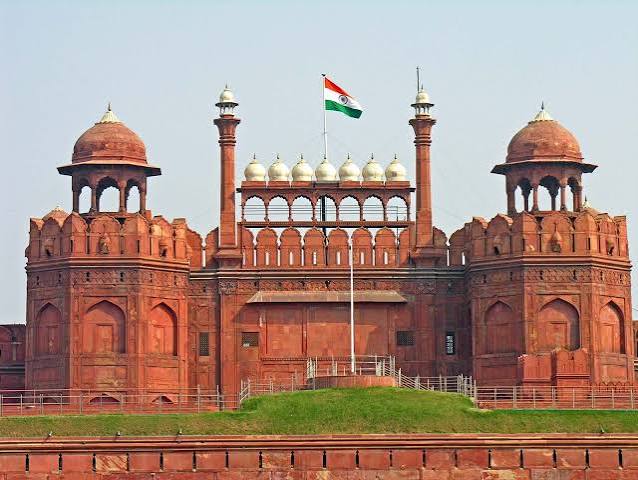
The Red Fort is an important landmark in Indian history. Built by Emperor Shah Jahan, it served as the main residence of Mughal emperors for many years.
The monument later became closely connected with India’s independence movement. Today, it is especially significant because the Prime Minister addresses the nation from the Red Fort every Independence Day.
For students, visiting this historic fort provides a better understanding of India’s colonial past, freedom struggle and national identity.
What students can learn:
Mughal administration and architecture
India’s freedom movement
Important events in modern Indian history
3. Qutub Minar, Delhi – Explore Medieval Indian Architecture
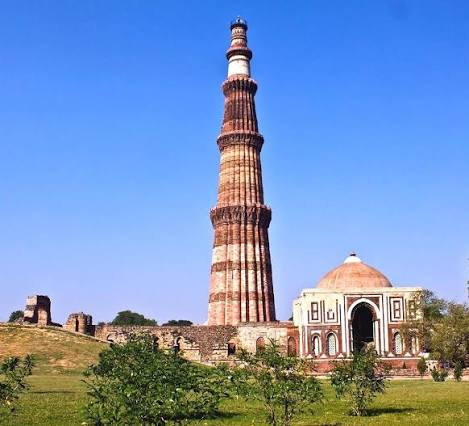
Standing tall in Delhi, Qutub Minar is one of the most remarkable examples of medieval Indian architecture.
Built in the early 13th century, this towering structure features detailed carvings and inscriptions. The surrounding Qutub complex also contains several historical structures, including the famous Iron Pillar.
Students can explore the architectural techniques, construction methods and cultural influences that shaped medieval India.
What students can learn:
Delhi Sultanate history
Indo-Islamic architecture
Ancient metalworking and engineering
4. Hampi, Karnataka – Walk Through the Ruins of an Ancient Empire

Hampi is one of the most fascinating historical destinations in India. Once the capital of the Vijayanagara Empire, this UNESCO World Heritage Site is filled with ancient temples, stone structures, royal buildings and impressive monuments.
The famous Stone Chariot, Virupaksha Temple and Vittala Temple are among its major attractions.
Exploring Hampi allows students to imagine how a powerful kingdom once functioned and understand its contributions to art, trade, architecture and culture.
What students can learn:
Vijayanagara Empire history
Ancient trade and city planning
Temple architecture and sculpture
5. Mysore Palace, Karnataka – Experience Royal Heritage
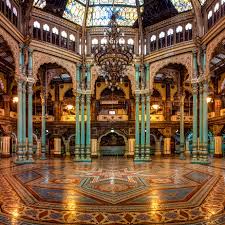
Mysore Palace is one of the most beautiful royal residences in India. Known for its grand architecture, colourful interiors and decorative halls, the palace reflects the rich heritage of the Wadiyar dynasty.
Students visiting the palace can learn about the history of the Kingdom of Mysore, its rulers and the cultural traditions that shaped the region.
The palace is also a wonderful place to introduce students to traditional art, royal lifestyles and architectural design.
What students can learn:
History of the Wadiyar dynasty
Royal traditions and cultural heritage
Indo-Saracenic architecture
6. Ajanta and Ellora Caves, Maharashtra – Discover Ancient Art and Architecture

The Ajanta and Ellora Caves are among India’s most extraordinary historical and artistic treasures.
Ajanta is famous for its ancient Buddhist cave paintings and sculptures, while Ellora showcases Buddhist, Hindu and Jain monuments carved into rock.
These cave complexes demonstrate the artistic skills, religious traditions and architectural knowledge of ancient Indian communities.
For students, they offer an opportunity to understand how art and religion influenced society throughout history.
What students can learn:
Ancient Indian art and painting
Buddhist, Hindu and Jain traditions
Rock-cut architecture and sculpture
7. Amer Fort, Jaipur – Explore the Grandeur of Rajasthan

Located near Jaipur, Amer Fort is a magnificent historical fort known for its grand gateways, courtyards, palaces and beautiful mirror work.
Built by the Kachwaha rulers, the fort reflects a blend of Rajput and Mughal architectural influences.
Students can explore its impressive structures and learn about the rulers, military strategies and cultural traditions of Rajasthan.
What students can learn:
Rajput history and kingdoms
Fort architecture and defence systems
Traditional paintings and decorative art
8. Sanchi Stupa, Madhya Pradesh – Understand the History of Buddhism

Sanchi Stupa is one of the most important Buddhist heritage sites in India. Originally commissioned by Emperor Ashoka, it represents the spread of Buddhism and its influence on Indian culture.
The beautifully carved gateways, known as toranas, feature stories from the life of Buddha and Buddhist traditions.
This destination is particularly valuable for students studying ancient Indian history, religion and art.
What students can learn:
Emperor Ashoka and the Mauryan Empire
The development and spread of Buddhism
Ancient stone carvings and architecture
9. Konark Sun Temple, Odisha – Discover Ancient Engineering
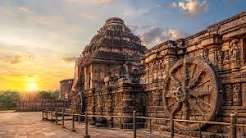
The Konark Sun Temple is an extraordinary example of ancient Indian temple architecture. Designed in the form of a massive stone chariot dedicated to the Sun God, the temple is famous for its detailed stone carvings and sculptural work.
Its architecture offers students an interesting introduction to ancient engineering, astronomy-related symbolism and traditional craftsmanship.
What students can learn:
Ancient temple architecture
Traditional stone carving techniques
Historical art and cultural beliefs
10. Mahabalipuram, Tamil Nadu – Explore the Art of Pallava Kings
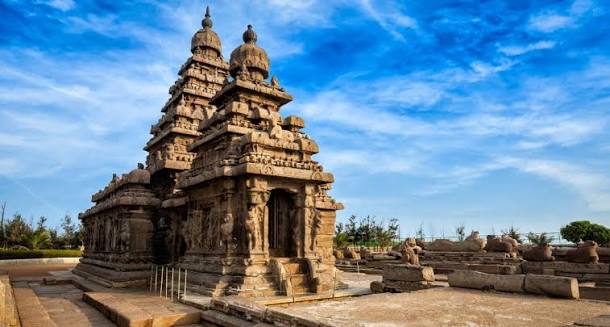
Mahabalipuram, also known as Mamallapuram, is a historic coastal town famous for its rock-cut temples and sculptures.
The Shore Temple, Pancha Rathas and Arjuna’s Penance are among its most important monuments. Many of these structures were developed during the Pallava period.
Students can understand how ancient artists transformed large rocks into detailed architectural masterpieces.
What students can learn:
Pallava dynasty history
Rock-cut architecture
Ancient sculpture and craftsmanship
11. Jallianwala Bagh, Amritsar – Remember India's Freedom Fighters

Jallianwala Bagh is one of the most significant historical memorials connected with India’s independence movement.
The site commemorates the tragic massacre of 13 April 1919, when British troops fired on a gathering of unarmed people.
A visit to this memorial can help students understand the sacrifices made during India’s struggle for freedom and the importance of justice, courage and national unity.
What students can learn:
Important events in the Indian freedom struggle
The Jallianwala Bagh massacre
The importance of historical remembrance
12. Cellular Jail, Andaman and Nicobar Islands – Learn About India's Freedom Struggle

Cellular Jail in Port Blair is a powerful reminder of the sacrifices made by Indian freedom fighters during the colonial period.
Known as Kala Pani, this former colonial prison was used to imprison many political activists and freedom fighters. Its architecture and historical exhibits help visitors understand the difficult conditions prisoners experienced.
Students visiting Cellular Jail can gain a deeper appreciation of India’s independence movement and the courage of those who fought for freedom.
What students can learn:
India’s colonial history
The lives and sacrifices of freedom fighters
The importance of independence and national identity
Why Are Historical Places Important for School Educational Tours?
Reading about history in textbooks provides students with essential knowledge, but visiting historical places makes that knowledge more meaningful.
Historical destinations allow students to observe monuments, explore ancient structures and understand the events that shaped the country.
Here are some important benefits of including historical destinations in school educational tours:
1. Learning Beyond Textbooks: Students can connect classroom lessons with real historical locations and monuments.
2. Better Understanding of Culture: Historical places introduce students to different traditions, architectural styles and cultural influences.
3. Developing Curiosity: Exploring ancient structures encourages students to ask questions and discover more about the past.
4. Improving Teamwork: Group travel gives students opportunities to communicate, cooperate and share experiences.
5. Creating Lasting Memories: Educational trips combine learning with adventure, making historical knowledge easier to remember.
Tips for Planning a Historical Educational Tour
Planning a successful school excursion requires more than selecting a destination. Teachers and school management should consider a few important factors before organising the trip.
Choose age-appropriate destinations: Select historical places that match the students’ age groups and learning levels.
Prepare a learning itinerary: Include guided visits, historical explanations and interactive activities.
Prioritise student safety: Arrange suitable transportation, accommodation and supervision.
Plan the travel budget: Consider entry fees, meals, accommodation and transportation expenses.
Allow enough exploration time: Avoid rushing through multiple destinations. Give students enough time to understand each place.
Include interactive learning: Encourage students to take notes, participate in discussions and complete small learning activities.
Make History an Experience with Happy Holidays
A school educational tour is more than just a journey to a new destination. It is an opportunity for students to discover history, explore culture, develop confidence and create memories with their classmates.
At Happy Holidays, we believe that some of the best learning experiences happen beyond the classroom. From historical explorations and cultural visits to educational adventures, the right school trip can make learning exciting and meaningful.
Planning your next school excursion? Let Happy Holidays help you organise a memorable educational tour for your students.
Happy Holidays – Travel. Explore. Experience.